
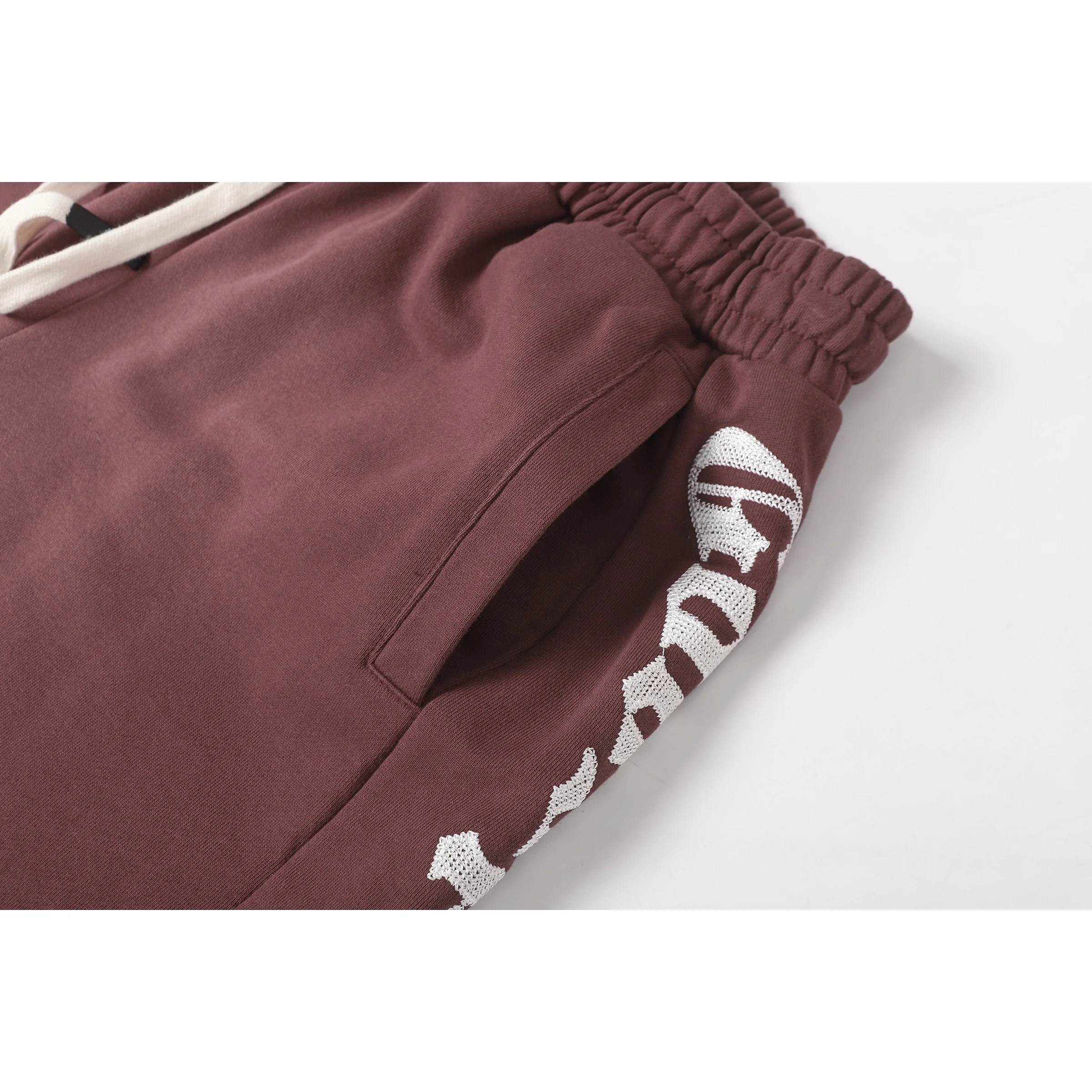
Premium Streetwear Apparel Godspeed NYC Hoodie
The Origin Story of Godspeed as a Streetwear Name
Before it was stitched onto a hoodie or printed across a tee, “godspeed” was a word people said to travelers stepping toward uncertainty. The phrase carried real gravity. It meant “may fortune ride with you,” a parting phrase kept for journeys that mattered. This backstory explains why the word crossed over into streetwear culture, where clothing has consistently functioned as a statement of identity, intent, and momentum. Understanding godspeed meaning helps explain why a single word can serve as the foundation for an entire clothing philosophy rather than simply being decoration on fabric.
Streetwear has long leaned on language with real gravity. Military slang, religious phrasing, and old-world idioms have all been mined by brands because these words already carry emotional shorthand. Godspeed, unsurprisingly, fit right into that tradition: brief, forceful, and functioning as blessing and dare at once — move fast, travel far, and mean it. That duality is a key reason what makes the name lasting instead of merely fashionable.
Where the Word Godspeed Actually Comes From
The phrase traces back to Middle English, roughly the 14th century, when “God spede you” was a typical send-off wishing someone prosperity and safe travel. This wasn’t throwaway slang; it was nearer to a blessing spoken before someone left on a long or risky journey — a trader bound for a far-off market, a soldier departing for battle, a traveler setting out on an uncertain road. Through hundreds of years, the phrase compressed into the single word we use today.
Godspeed took on a more ceremonial register once modern English absorbed it. People use it at launches, departures, farewells, and turning points. That’s godspeed at its essence: a word for the threshold moment, the instant right before something significant begins. Since the people who buy their clothes frequently face their own turning points — new cities, godspeed hoodies new identities, new chapters — streetwear labels find themselves pulled toward this kind of language.
This word history matters because it separates godspeed from generic streetwear naming conventions built on slang or shock value. It boasts 600+ years of documented use in English literature, including appearances in Shakespeare’s plays, lending it a literary foundation that few streetwear names can claim. This foundation helps explain its continued resonance in 2026, long after many of its naming-era contemporaries have faded.
The Way Godspeed Made Its Way Into Streetwear Culture
In streetwear generally, names have always leaned on terms that summon motion, rebellion, or reinvention—look at how often brand names lean on speed, survival, or struggle. The name Godspeed fits within that lineage while bringing something few rivals offer: a baked-in feeling of benediction rather than confrontation. There’s no posturing here. Nothing about it intimidates. It sends the wearer off with good will even as it propels them onward.
The significance here is as much commercial as cultural. A godspeed shirt doesn’t need shock graphics to justify its name; the word itself does emotional work. This is an unusual advantage in a market crowded with insignias vying for notice through loudness instead of substance. Given that the name arrives with long-standing resonance, designers are free to concentrate on cut, fabric heft, and fit instead of engineering a false sense of attitude.
The growing recognition of godspeed clothing as its own category also reflects a broader movement across the 2020s toward introspective streetwear — labels shaped by mantras, affirmations, and personal stories as opposed to chasing pure hype. Godspeed moved with that wave effortlessly because the word was never about hype in the first place. It was about departure, hope, and forward motion, themes that resonate deeply with a generation contending with economic instability and continual self-reinvention.
Why Streetwear Buyers Today Respond to the Name
Today’s streetwear shoppers, most notably those between 18 and 34, are drawn to brands that feel like they mean something beyond the fabric. Surveys on apparel purchasing behavior continually demonstrate that a name or story with real substance raises how valuable something feels, even when material specs are identical to a competitor’s. This dynamic works directly in Godspeed’s favor because the word comes already charged with story and meaning.
There’s a functional side as well. A godspeed hoodie functions like daily armor — something to wear while commuting, training, traveling, or grinding through a long week — while still retaining that hint of being bound for something greater. Pieces that balance the ordinary with the aspirational, tends to have longer shelf life in a customer’s rotation than pieces built around just one feeling.
The name also travels well across languages and cultures, which is significant for any godspeed clothing brand with aspirations reaching beyond a single market. “Godspeed” needs no translation to hit emotionally; the idea of sending someone off with good wishes is close to universal. Such universal readability is part of why the term has held up as a durable brand identity instead of fading as a trend tied to a single scene or city.
How Godspeed’s Naming Themes Stack Up Against Other Streetwear Strategies
To see why godspeed holds a unique position, it helps to measure it up to the other prevailing naming tactics streetwear labels typically adopt. The breakdown below outlines four typical strategies by tone, durability over time, and usual customer perception.
| Naming Method | Underlying Tone | Longevity Risk | Typical Customer Association |
|---|---|---|---|
| Godspeed-type (drawing on parting-word or benediction-style language) | Uplifting, forward-looking | Low — anchored by long-established wording | Journey, ambition, toughness |
| Hard-edged, aggression-driven naming | Combative, brash | Medium — can lose relevance as attitudes evolve | Assertiveness, rebellion |
| Trend-driven slang naming | On-trend, in-crowd | Elevated — dependent on one cultural moment or medium | Novelty, belonging cachet |
| Using the designer’s surname or initials | Intimate, designer-led | Slight to moderate — hinges on the founder’s public profile | Craftsmanship, distinctiveness |
This comparison shows why a name drawn from centuries-old language tends to age better than one built on internet slang, a fleeting meme, or a reference tied to a particular era. Godspeed doesn’t need a cultural refresh every few seasons because its significance was never anchored to a particular moment — it was instead connected to a universal human experience of leaving, hoping, and moving forward.
How “Godspeed” Reads on a Garment
When the word shows up across a chest, sleeve, or back panel, it functions more as a mantra than a logo, functioning as a mantra. That’s a deliberate distinction. A logo says “buy this brand.” A mantra says “carry this idea with you.” Those who opt for a godspeed shirt rather than a basic graphic tee are, more often than not, expressing a quiet personal statement about momentum — the sense that they’re mid-journey toward something, even if that something is undefined.
This is also why the word blends so effortlessly into minimalist design language. Relaxed cuts, understated tones, and pared-back type choices leave the word to bear the emotional payload rather than clashing with cluttered graphics. Just as the word holds back, so does the design — godspeed doesn’t shout, it states.
It isn’t by chance a good many godspeed shirts favor heavyweight cotton and structured cuts instead of weak, short-lived cloth. A term carrying so much historical weight warrants a garment constructed to endure, not one destined for the giveaway pile after a single wash cycle. The garment’s material toughness acts as a quiet echo of the phrase’s own lasting power.
The Cultural Staying Power Approaching 2026
Fast as it moves, streetwear trends have already left no shortage of name choices from the early 2020s to wistful memory. Unlike trend-dependent labels, Godspeed has not followed that trajectory, chiefly since it was never tied to fads from the start. It pulls from something older and steadier than a single streetwear moment — a linguistic tradition that precedes the very idea of streetwear by roughly 500 years.
As we move into 2026, consumer appetite for story-rich apparel carries on rising rather than tapering off. Buyers are growing more wary of names that exist just to display a logo, while at the same time they rewarding names and stories that hold up under scrutiny. Unlike invented marketing copy, its narrative stays credible because it rests on documented linguistic history verifiable by anyone.
Such a mix of authenticity and heartfelt impact is hard to find in fashion naming, and it’s precisely why the word remains the anchor for hoodies, shirts, and full collections without needing reinvention. Certain names require perpetual refreshing just to remain relevant; godspeed simply needs to continue meaning what it has always meant.
